

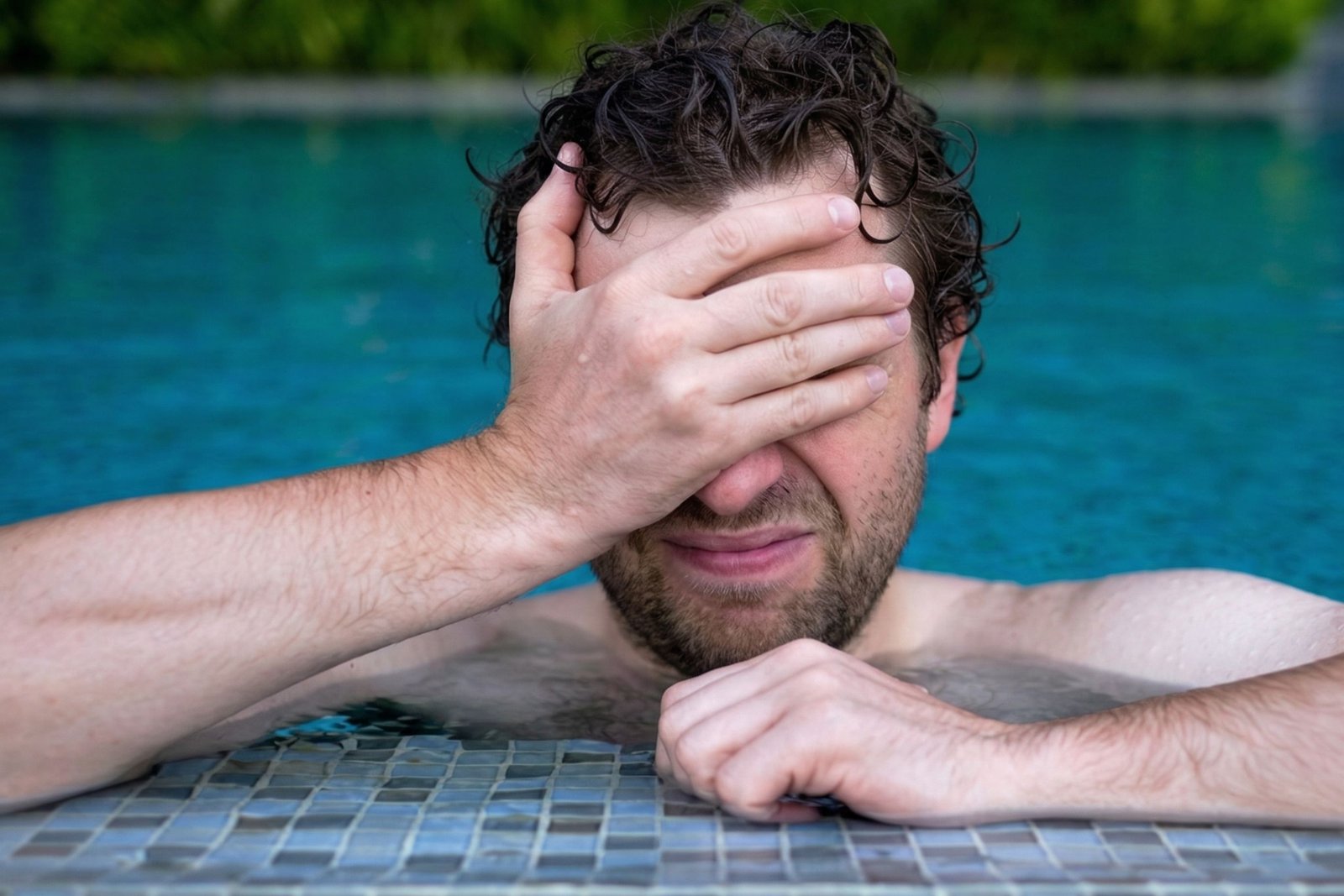
Swimming is one of the most popular activities during summer, offering relaxation and relief from the heat. However, frequent exposure to pool water can have noticeable effects on eye health. Many swimmers experience redness, irritation, or dryness after spending time in pools. These symptoms are often linked to chemicals and environmental factors that affect the eye’s natural protective layer. Individuals experiencing persistent discomfort may benefit from professional evaluation and Advanced eye care treatment in Vadodara to prevent complications and maintain long-term eye health.
How Pool Water Affects Your Eyes
Swimming pools are typically treated with chlorine to eliminate bacteria and maintain hygiene. While chlorine is effective for disinfection, it can also react with organic matter such as sweat and oils, forming compounds known as chloramines.
Research indicates that chloramines can disrupt the tear film, which is essential for keeping the eyes lubricated and protected. The tear film consists of multiple layers that help maintain moisture and visual clarity. When this layer is disturbed, it can lead to dryness and irritation.
Studies also show that exposure to chlorinated water can alter the natural balance of the ocular surface, increasing the likelihood of redness and discomfort, especially after prolonged swimming sessions.
Common Eye Problems After Swimming
Frequent swimming without proper eye protection can lead to several eye-related issues. These problems may vary depending on water quality, duration of exposure, and individual sensitivity.
Common symptoms include:
- Redness and irritation
- Dry or gritty sensation in the eyes
- Blurred vision after swimming
- Increased sensitivity to light
- Burning or itching
Research suggests that swimmers who spend extended time in chlorinated pools may experience higher rates of ocular irritation compared to non-swimmers.
If these symptoms persist, consulting professionals offering complete vision care in Vadodara can help determine whether the irritation is temporary or requires medical attention.
Risk of Eye Infections
Swimming pools can sometimes harbor microorganisms, especially if hygiene standards are not strictly maintained. Exposure to contaminated water may increase the risk of eye infections such as conjunctivitis.
According to health studies, improper pool maintenance or exposure to unclean water can introduce bacteria and viruses to the eye surface. Contact lens users are at a higher risk, as lenses can trap contaminants against the eye.
Additionally, individuals who are on long-term medication or have weakened immunity may be more susceptible to infections, as their natural defense mechanisms may be compromised.
Symptoms of infection may include redness, discharge, swelling, and persistent discomfort. Immediate medical attention is recommended if these symptoms occur.
Long-Term Effects of Repeated Exposure
Occasional exposure to pool water may cause temporary discomfort, but repeated exposure without protection can have long-term effects on eye health. Continuous disruption of the tear film can contribute to chronic dry eye symptoms.
In some cases, untreated irritation or infections may lead to complications that require medical intervention. Advanced treatments, including precision eye surgery, may be considered for individuals with underlying vision issues or complications affecting visual clarity.
Tips to Protect Your Eyes While Swimming
Taking preventive measures can significantly reduce the risk of eye problems during swimming.
- Wear Swimming Goggles
Goggles provide a physical barrier that protects the eyes from chlorine and contaminants. - Avoid Opening Eyes Underwater
Keeping eyes closed while underwater reduces exposure to chemicals. - Rinse Eyes After Swimming
Washing the eyes with clean water helps remove residual chemicals. - Avoid Wearing Contact Lenses in Pools
Removing lenses before swimming reduces the risk of infection. - Use Lubricating Eye Drops
Artificial tears can help restore moisture after swimming.
Conclusion
Swimming is a refreshing and enjoyable summer activity, but exposure to chlorinated pool water can affect eye health by disrupting the tear film and increasing the risk of irritation and infections. Understanding these effects and taking preventive steps can help maintain eye comfort and protect long-term vision. If symptoms persist or worsen, seeking professional care is essential. At Desai Eye Institute, patients receive advanced diagnostic evaluations and personalized treatments designed to address swimming-related eye concerns and support overall eye health.
Sources
- American Academy of Ophthalmology – Eye Safety and Swimming
- Centers for Disease Control and Prevention – Healthy Swimming and Eye Protection
- National Eye Institute – Eye Health and Protection
- Cleveland Clinic – Chlorine and Eye Irritation