

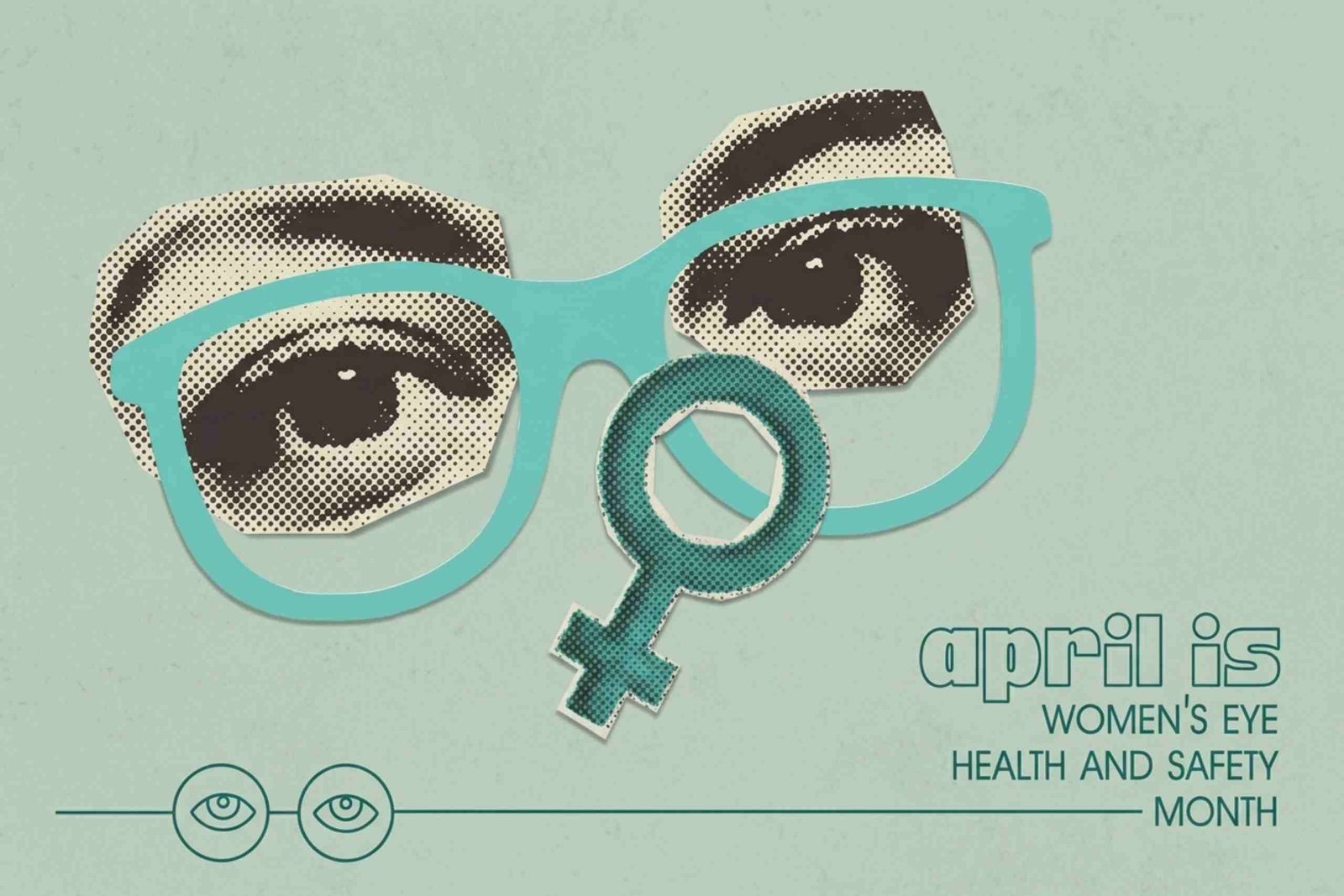
Women’s Eye Health and Safety Month focuses on raising awareness about the unique eye health challenges women may face throughout their lives. Hormonal changes, longer life expectancy, and lifestyle factors can increase the risk of certain eye conditions in women. Recognising early signs of vision problems is essential for preventing complications and maintaining long-term visual health.
According to the World Health Organisation (WHO), women represent a larger proportion of individuals living with visual impairment globally due to both biological and social factors. Early detection and timely medical care remain the most effective ways to protect eyesight and improve quality of life.
Prevention of blindness week: Understanding the Importance of Early Warning Signs
Public health initiatives such as Prevention of blindness week highlight the importance of recognising early symptoms of eye problems before they progress into serious conditions. Women may experience subtle vision changes that are often ignored or mistaken for temporary fatigue.
Common early signs include persistent eye strain, difficulty focusing, frequent headaches, and increased sensitivity to light. The National Programme for Control of Blindness and Visual Impairment (NPCBVI), India, emphasises that routine eye examinations play a crucial role in identifying vision problems at an early stage.
World Health Day: Hormonal Changes and Vision Fluctuations in Women
Awareness campaigns such as World Health Day reinforce the connection between overall health and eye health. Hormonal changes during pregnancy, menopause, and ageing can affect tear production and eye pressure, leading to symptoms such as dryness, blurred vision, or discomfort.
Research published by the American Academy of Ophthalmology indicates that women are more likely to experience chronic dry eye syndrome, particularly after the age of 40. Monitoring vision changes during these stages is essential for maintaining healthy eyesight.
Sports Eye Safety Month: Recognising Injury-Related Vision Problems
Women who participate in fitness activities or sports may face risks of accidental eye injuries. Awareness initiatives such as Sports Eye Safety Month encourage individuals to recognise symptoms such as sudden redness, swelling, or blurred vision following physical activity.
Using protective eyewear and seeking prompt medical attention after an injury can prevent long-term complications and protect visual health.
Modern Eye Treatment Center: Persistent Blurred or Double Vision
One of the most noticeable signs of vision problems is persistent blurred or double vision. This symptom may indicate refractive errors, cataracts, or neurological conditions that require professional evaluation.
Visiting a modern eye treatment center allows specialists to conduct comprehensive eye examinations and identify the underlying cause of visual disturbances. Early diagnosis improves treatment outcomes and reduces the risk of permanent vision loss.
Precision eye surgery: Sudden Vision Changes or Loss of Visual Clarity
Sudden changes in vision, such as difficulty seeing clearly or loss of visual clarity, should never be ignored. These symptoms may indicate serious conditions such as retinal detachment or glaucoma.
Advances in ophthalmology have made precision eye surgery safer and more effective in restoring vision and preventing further damage. Early intervention significantly increases the chances of successful recovery.
Modern Eye Treatment Centre: Frequent Eye Pain or Sensitivity to Light
Recurring eye pain, burning sensation, or sensitivity to light can signal infections, inflammation, or dry eye syndrome. These symptoms are particularly common among women who spend long hours using digital devices or working in air-conditioned environments.
Consulting professionals at a modern eye treatment center ensures accurate diagnosis and personalised treatment tailored to individual needs.
Precision eye surgery: Difficulty Seeing at Night or During Daily Activities
Difficulty seeing clearly at night or in low-light conditions is another warning sign of vision problems. This symptom is often associated with cataracts, vitamin deficiencies, or retinal disorders.
Modern treatment options, including precision eye surgery, enable specialists to correct vision problems and improve overall visual performance, helping patients regain confidence in daily activities.
Conclusion
Women’s Eye Health and Safety Month reminds us that early recognition of vision problems is essential for protecting lifelong eyesight. Paying attention to symptoms and seeking timely medical care can prevent many serious eye conditions. For individuals seeking reliable diagnosis and advanced treatment options, Desai Eye Institute remains committed to delivering expert care, modern technology, and compassionate support to help women maintain healthy vision at every stage of life.
Sources:
- World Health Organisation (WHO): Global Vision Impairment Statistics
- National Programme for Control of Blindness and Visual Impairment (NPCBVI), Government of India
- American Academy of Ophthalmology: Women and Eye Health Research
- Indian Journal of Ophthalmology: Studies on Early Detection of Vision Disorders