

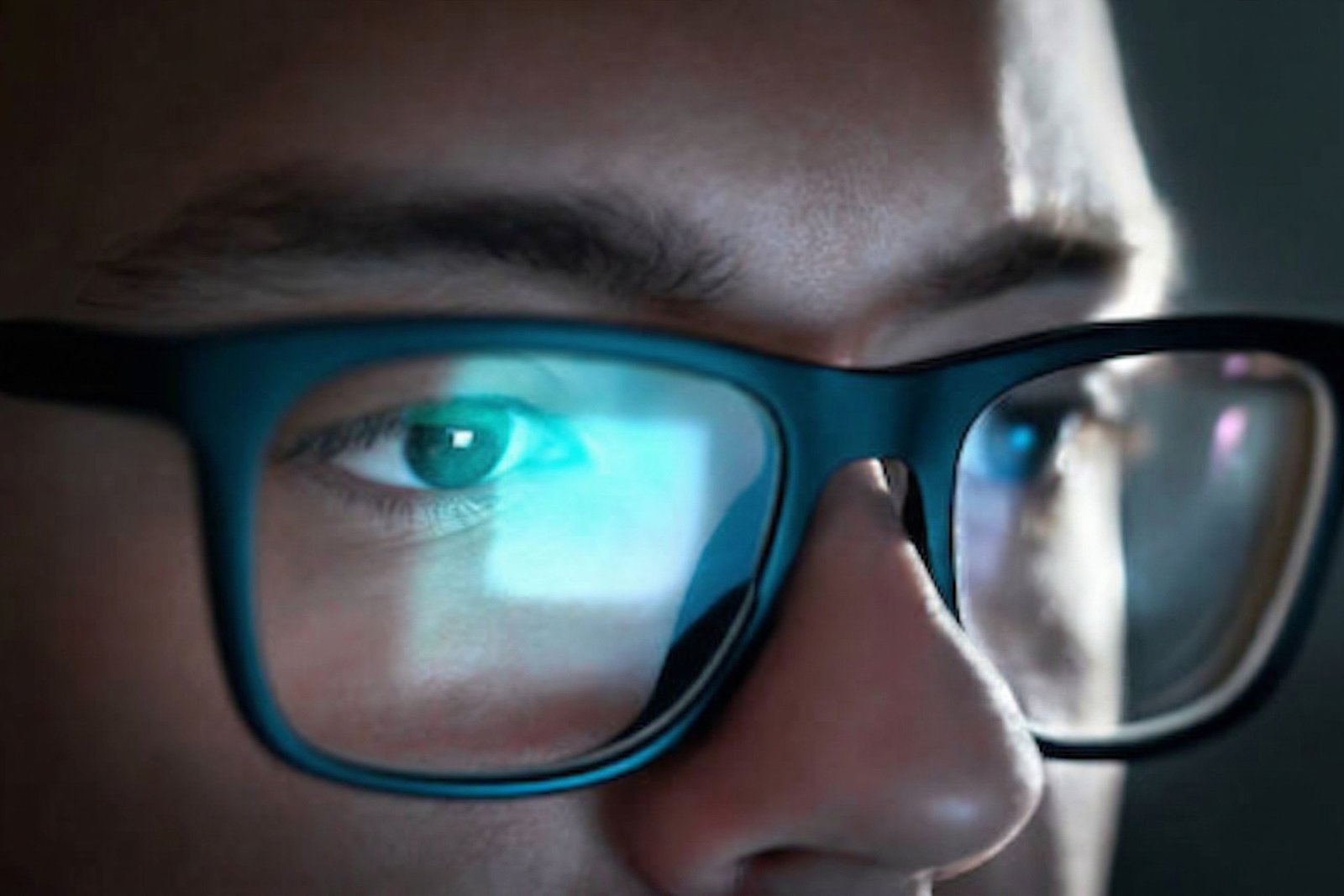
Many people spend hours reading, working, or using digital devices in dimly lit environments. This has led to a common concern: can poor lighting permanently damage your eyes? While poor lighting may not directly cause permanent vision loss, eye experts agree that it can contribute to discomfort, eye strain, and reduced visual efficiency over time. People experiencing frequent eye fatigue are often advised to consult professionals offering precision eye services in Vadodara to understand whether their symptoms are linked to lighting conditions or underlying eye health issues.
How Lighting Affects Your Eyes
Lighting plays a critical role in how comfortably your eyes function. When the lighting is too dim, your eyes must work harder to focus on objects, especially when reading or using a computer. According to eye health researchers, this increased effort can lead to visual fatigue and symptoms such as tired eyes after work, especially for individuals who spend long hours on screens or reading in poorly lit environments.
The American Optometric Association explains that poor lighting keeps the eye muscles responsible for focusing active for longer periods. Over time, this can lead to symptoms such as headaches, blurred vision, and difficulty concentrating. While these effects are usually temporary, repeated exposure to poor lighting may reduce visual comfort and productivity.
For individuals who regularly experience these symptoms, consulting professionals who provide quality eye care in Vadodara can help determine whether lighting habits, screen exposure, or vision problems are contributing to the discomfort.
Common Symptoms of Poor Lighting
Working or reading in inadequate lighting can lead to several noticeable symptoms. These symptoms typically appear after long periods of visual activity.
Common signs include:
- Eye fatigue or strain
- Blurry or fluctuating vision
- Headaches
- Difficulty focusing
- Increased sensitivity to light
Low lighting conditions may encourage people to hold reading materials closer to their eyes, increasing visual stress and potentially worsening eye fatigue over time.
What Eye Experts Recommend
Eye specialists recommend maintaining balanced lighting conditions for everyday tasks. Ideally, lighting should be bright enough to allow comfortable viewing without producing glare or reflections. Proper task lighting, screen brightness adjustments, and maintaining an appropriate distance from reading materials can significantly reduce visual strain.
Experts also recommend taking regular visual breaks during prolonged reading or screen use. The commonly recommended 20-20-20 rule encourages people to look at something 20 feet away for 20 seconds every 20 minutes to relax the eye-focusing muscles.
If symptoms persist despite adjusting lighting conditions, a professional eye examination can help identify underlying issues such as dry eye, refractive errors, or eye muscle fatigue. Facilities equipped with advanced diagnostic technology at a modern eye center can provide detailed assessments and personalized treatment recommendations.
Conclusion
Although poor lighting does not typically cause permanent damage to the eyes, it can lead to significant visual discomfort and fatigue if experienced regularly. Maintaining proper lighting conditions, taking regular visual breaks, and scheduling routine eye examinations are important steps in protecting long-term eye health. For individuals experiencing persistent eye strain or blurry vision, seeking professional care can help identify the underlying cause and provide effective solutions. At Desai Eye Institute, patients benefit from advanced diagnostics and expert guidance designed to support healthy vision and comfortable daily screen use.
Sources
- American Optometric Association – Computer Vision Syndrome
- Cleveland Clinic – Eye Strain and Screen Use
- Harvard Health Publishing – Eye Strain Causes and Prevention
- National Eye Institute – Protecting Your Vision