

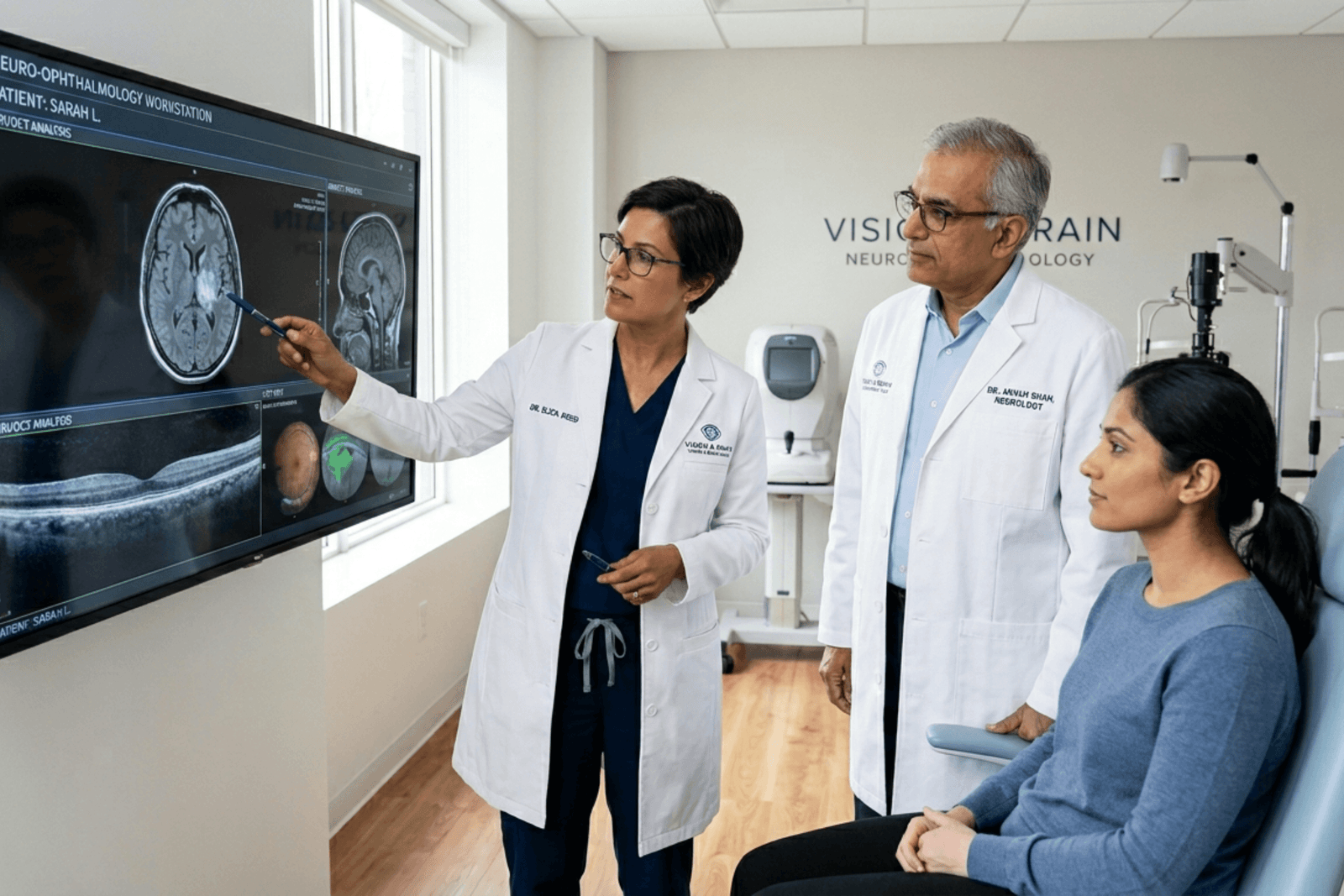
Vision problems are not always caused by the eyes alone. In many cases, the brain plays a major role in how we see, interpret images, process movement, and recognize objects. When something affects the communication between the brain and the eyes, it can lead to serious visual disturbances that often require specialized diagnosis and treatment.
Many people ignore symptoms such as double vision, sudden vision loss, headaches with blurred vision, difficulty focusing, or unexplained eye movement changes. However, these can sometimes be signs of Brain Related Vision Disorders that need immediate medical attention.
Understanding how these conditions are diagnosed can help patients seek timely care and protect both their eyesight and neurological health.
Understanding Brain Related Vision Disorders
The eyes capture visual information, but the brain processes and interprets what we see. Any disruption in this pathway can lead to neurological vision disorders.
These conditions may affect:
- Eye movement
- Visual processing
- Peripheral vision
- Depth perception
- Coordination between the eyes and the brain
- Visual recognition abilities
Some common Vision problems related to the brain include:
- Optic neuritis
- Visual field defects
- Double vision
- Stroke-related vision loss
- Papilledema
- Cranial nerve palsy
- Visual migraines
- Brain tumor-related vision changes
Because these disorders involve both neurological and ophthalmic systems, they are usually evaluated through Neuro ophthalmology diagnosis.
Signs That May Indicate a Neuro Visual Disorder
Many patients initially visit an eye clinic thinking they only need glasses or routine treatment. However, certain symptoms may indicate deeper Brain and eye connection disorders.
Common Symptoms of Neuro Visual Disorders
- Sudden blurred vision
- Double vision
- Loss of side vision
- Difficulty reading or focusing
- Unequal pupil size
- Frequent headaches with eye strain
- Eye pain during movement
- Drooping eyelids
- Difficulty recognizing faces or objects
- Sudden vision blackouts
- Dizziness associated with visual changes
These symptoms should never be ignored, especially if they appear suddenly or worsen over time.
Why Early Diagnosis Is Important
The eyes are often called the “window to the brain” because many neurological diseases show early signs through vision changes. Conditions such as multiple sclerosis, stroke, brain tumors, or increased intracranial pressure may first appear during an eye examination.
Early diagnosis can help:
- Prevent permanent vision loss
- Detect neurological diseases early
- Improve treatment outcomes
- Reduce complications
- Protect overall brain health
This is why specialized Eye clinic tests for brain related vision issues are extremely important.
How Brain Related Vision Disorders Are Diagnosed
Diagnosing neurological vision disorders involves a detailed combination of eye examinations, neurological evaluation, imaging, and visual function testing.
1. Detailed Medical History
The diagnosis process begins with understanding the patient’s symptoms, medical history, and neurological background.
The eye specialist may ask questions such as:
- When did the symptoms begin?
- Is the vision loss sudden or gradual?
- Are headaches associated with visual changes?
- Is there any history of stroke or neurological disease?
- Do symptoms worsen with movement or fatigue?
A complete history often provides important clues for accurate diagnosis.
2. Comprehensive Eye Examination
A full eye examination helps evaluate the health of the visual system. The examination may include:
- Visual Acuity Testing – This checks how clearly the patient can see objects at different distances.
- Eye Movement Evaluation – Abnormal eye movements can indicate nerve or brain pathway problems.
- Pupil Reflex Examination – Changes in pupil reaction may suggest optic nerve or neurological abnormalities.
- Color Vision Testing – Certain neurological disorders affect color perception before affecting general vision.
- Visual Field Testing – This test identifies blind spots or peripheral vision loss commonly associated with stroke or brain lesions.
3. Neuro Ophthalmology Diagnosis
A specialized neuro-ophthalmology diagnosis focuses on conditions affecting the optic nerves, brain pathways, and eye movement systems.
Neuro ophthalmologists evaluate how well the eyes and brain work together. They look for abnormalities that may not be visible during a standard eye exam.
This specialized assessment is important for diagnosing:
- Optic nerve disorders
- Brain pressure related vision changes
- Neurological eye muscle disorders
- Visual pathway abnormalities
- Multiple sclerosis related eye problems
4. Retinal and Optic Nerve Imaging
Modern eye clinics use advanced imaging technology to detect subtle neurological changes.
Optical Coherence Tomography (OCT)
OCT creates detailed images of the retina and optic nerve. It helps identify nerve swelling, thinning, or damage linked to neurological diseases.
Fundus Photography
This captures high-resolution images of the retina and optic nerve for detailed analysis.
Changes in the optic nerve often help diagnose underlying brain conditions.
5. Brain Imaging Tests
If the eye specialist suspects neurological involvement, brain imaging may be recommended.
MRI Scan
MRI is commonly used to detect:
- Brain tumors
- Multiple sclerosis
- Optic nerve inflammation
- Stroke damage
- Structural abnormalities
CT Scan
CT scans may be used in emergencies or trauma-related cases.
These scans help confirm the presence of Neurological vision disorders affecting the visual pathways.
6. Visual Field Analysis
Visual field testing is one of the most important Eye clinic tests for brain related vision issues. This test maps the patient’s entire field of vision and identifies areas where vision may be missing. Specific patterns of vision loss can indicate:
- Stroke
- Pituitary gland tumors
- Brain injuries
- Optic nerve disease
The pattern itself often helps specialists identify the location of the neurological problem.
7. Neurological Coordination Testing
Some patients experience problems with balance, coordination, or visual processing due to neurological conditions. The eye specialist may evaluate:
- Eye tracking movements
- Focus coordination
- Depth perception
- Hand eye coordination
- Visual response timing
These assessments help detect subtle brain-related visual dysfunctions.
Conditions Commonly Diagnosed Through Neuro Ophthalmology
Several serious conditions may be identified during a neuro ophthalmic evaluation.
Optic Neuritis
Inflammation of the optic nerve often associated with multiple sclerosis.
Papilledema
Swelling of the optic nerve caused by increased brain pressure.
Cranial Nerve Palsy
Weakness or paralysis of eye movement muscles.
Stroke Related Vision Loss
Brain strokes can affect specific visual fields.
Brain Tumor Related Visual Disturbances
Tumors can compress visual pathways and affect eyesight.
Advanced Eye Care for Neuro-Visual Disorders in Vadodara
Patients experiencing complex vision symptoms require advanced diagnostic support and specialized expertise. Choosing a trusted eye hospital in Vadodara with modern neuro-ophthalmic evaluation facilities is important for accurate diagnosis and treatment planning.
Among the leading eye hospitals in Vadodara, Desai Eye Institute offers advanced eye care services with modern diagnostic technology and experienced specialists dedicated to comprehensive vision evaluation.
From detailed retinal imaging to specialized neuro-ophthalmology assessments, the institute focuses on identifying underlying neurological causes of vision problems with precision and patient-centered care.
If you are experiencing symptoms associated with Brain Related Vision Disorders, early consultation can make a significant difference in preserving both your vision and overall neurological health.