

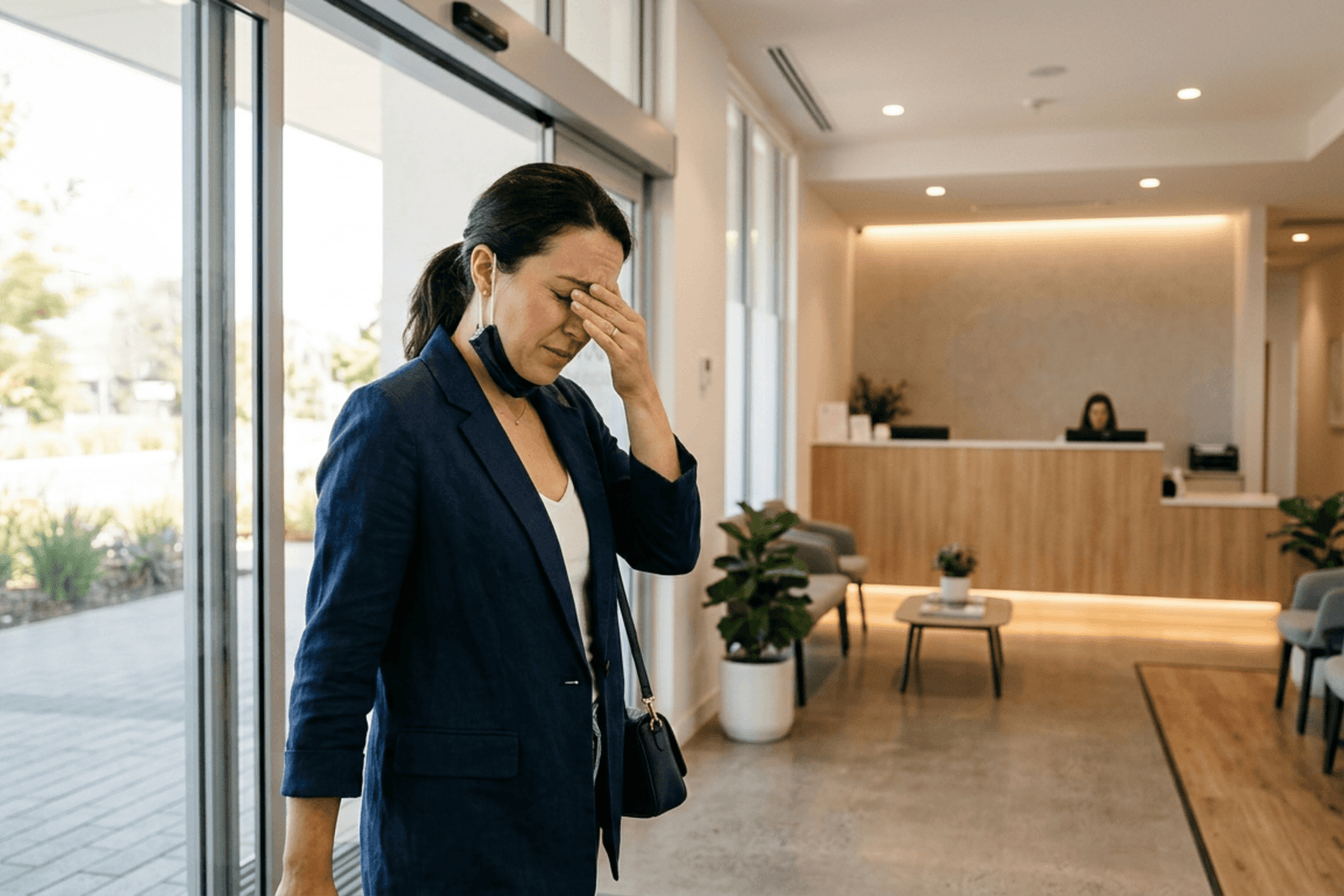
Stepping indoors after spending time under harsh sunlight can sometimes feel surprisingly uncomfortable. Your vision may blur for a few seconds, lights may appear dim, and your eyes may struggle to focus properly. For some people, this adjustment happens instantly. For others, the transition takes noticeably longer and can even lead to headaches, irritation, or temporary vision discomfort.
If you frequently experience slow eye adjustment, bright light sensitivity, or indoor lighting discomfort, your eyes may be signaling that something more than simple fatigue is affecting your visual system.
Understanding why this happens can help you protect your vision and know when it may be time to seek professional eye care.
How Your Eyes Normally Adjust to Light
Your eyes are designed to constantly adapt to changing light conditions. This process is known as eye light adaptation.
When you are outdoors in bright sunlight, your pupils become smaller to reduce the amount of light entering the eyes. At the same time, specialized cells in the retina adjust their sensitivity to help you see clearly under intense brightness.
Once you move indoors, the opposite process begins:
- Pupils gradually widen
- Retinal cells increase sensitivity
- The brain adapts to reduced lighting
- Visual contrast changes adjust automatically
In healthy eyes, this process usually takes only a few seconds. However, when adaptation becomes slow or uncomfortable, it may indicate underlying vision adjustment issues.
Why Some People Experience Slow Eye Adjustment
There are several reasons why your eyes may struggle to transition from bright sunlight to indoor lighting.
1. Excessive Exposure to Bright Sunlight
Strong sunlight places significant stress on the eyes. Prolonged exposure to UV rays and glare can temporarily overwhelm the retina, making it harder for the eyes to adapt indoors.
This often causes:
- Eye strain from sunlight
- Temporary blurry vision
- Sensitivity to indoor lights
- Visual fatigue
People who spend long hours outdoors without sunglasses are especially prone to delayed dark adaptation.
2. Aging Eyes
As we age, the eye’s natural lens becomes less flexible and retinal sensitivity decreases. This slows down the communication between the eyes and brain during light transitions.
Older adults may notice:
- Longer adjustment times
- Increased glare sensitivity
- Difficulty driving at night
- More pronounced sunlight vision problems
This is one reason why regular eye examinations become increasingly important with age.
3. Dry Eyes and Eye Fatigue
Dry eyes can significantly impact visual clarity. When the tear film becomes unstable, light entering the eyes scatters unevenly, making adaptation more difficult.
Common symptoms include:
- Burning sensation
- Watery eyes
- Blurred vision after sunlight exposure
- Sudden lighting discomfort
Many patients who work long hours on screens experience worsening symptoms because digital eye strain reduces blinking frequency.
4. Vitamin Deficiencies
Certain nutrients play a major role in retinal health and visual adaptation.
Deficiencies in:
- Vitamin A
- Zinc
- Omega-3 fatty acids
can contribute to delayed dark adaptation and reduced night vision.
Poor dietary habits may slowly affect how efficiently your eyes respond to changing lighting conditions.
5. Eye Conditions That Affect Light Adaptation
Sometimes, persistent bright light sensitivity or slow adaptation may indicate an underlying eye condition.
These conditions may include:
Cataracts
Clouding of the eye lens can increase glare and reduce visual contrast.
Retinal Disorders
Conditions affecting retinal function may slow the eye’s response to changing light.
Optic Nerve Problems
The communication between the eyes and brain may become less efficient.
Squint Eye Conditions
Patients with eye alignment issues may sometimes experience visual discomfort, focusing difficulties, and adaptation challenges. In such cases, seeking the best treatment for squint eyes becomes important for long-term visual comfort.
Symptoms You Should Not Ignore
Occasional adjustment difficulty is common. However, you should consult an eye specialist if you experience:
- Persistent slow eye adjustment
- Frequent headaches after sunlight exposure
- Difficulty seeing indoors after bright outdoor exposure
- Increased sensitivity to indoor lights
- Sudden vision discomfort
- Night vision problems
- Frequent eye strain from sunlight
Ignoring these symptoms may allow underlying eye conditions to worsen over time.
How Doctors Diagnose Light Adaptation Problems
At a professional eye hospital in Vadodara, specialists evaluate several aspects of your vision to determine the cause of adaptation difficulties.
Tests may include:
- Retina examination
- Pupil response evaluation
- Tear film analysis
- Cataract screening
- Visual acuity testing
- Eye muscle coordination assessment
A detailed diagnosis helps identify whether the issue is related to dryness, retinal sensitivity, aging, or another vision disorder.
Tips to Reduce Indoor Lighting Discomfort
Fortunately, several simple habits can help improve visual comfort and reduce light sensitivity.
Wear UV-Protective Sunglasses
Good-quality sunglasses reduce retinal stress caused by harsh sunlight.
Stay Hydrated
Proper hydration supports healthy tear production.
Follow the 20-20-20 Rule
If you spend long hours on screens:
- Every 20 minutes
- Look at something 20 feet away
- For 20 seconds
This helps reduce eye fatigue.
Adjust Indoor Lighting
Avoid extremely dim or harsh artificial lighting indoors.
Eat Eye-Healthy Foods
Foods rich in Vitamin A, lutein, and omega-3 fatty acids support retinal health and improve eye adaptation.
Schedule Regular Eye Exams
Routine checkups help detect early vision adjustment issues before they become severe.
When to Visit an Eye Specialist
If your symptoms are becoming frequent or interfering with daily activities, it is important to seek professional care.
You should especially visit an eye specialist in Vadodara if you notice:
- Worsening light sensitivity
- Trouble driving during day-to-night transitions
- Blurred vision
- Frequent headaches
- Eye discomfort after sunlight exposure
Early diagnosis can help prevent more serious complications and improve long-term visual comfort.
Advanced Eye Care for Better Visual Comfort
Modern eye care technology now allows specialists to diagnose light adaptation problems more accurately than ever before. Treatments may include:
- Dry eye therapy
- Prescription eye drops
- Cataract management
- Nutritional guidance
- Vision therapy
- Specialized retinal care
The right treatment depends entirely on the underlying cause of your symptoms.
Why Choosing the Right Eye Hospital Matters
When dealing with persistent eye light adaptation issues, expert diagnosis and advanced technology make a major difference. Should choose a center that offers comprehensive eye evaluations, experienced specialists, and modern diagnostic facilities.
With Desai Eye Institute, patients receive personalized eye care designed to identify the root cause of vision discomfort and provide effective long-term treatment solutions. From routine eye checkups to advanced retinal and squint eye care, the institute focuses on helping patients achieve clearer, more comfortable vision in every lighting condition.
Final Thoughts
Your eyes constantly work to adapt to changing environments, but persistent slow eye adjustment should never be ignored. Whether the cause is dry eyes, aging, excessive sunlight exposure, or an underlying eye condition, timely care can make a significant difference.
If you frequently struggle with bright light sensitivity, indoor lighting discomfort, or delayed dark adaptation, consulting an experienced eye specialist can help protect your long-term eye health and improve your overall visual comfort.