Healthy tear production is essential for keeping the eyes comfortable, clear, and protected from infection. When tear levels decrease, individuals may experience dryness, irritation, and blurred vision. To evaluate tear production accurately, eye specialists often recommend the Schirmer test, a simple diagnostic procedure that helps identify dry eye conditions and related disorders.
According to the American Academy of Ophthalmology, dry eye disease affects millions of people worldwide and is becoming more common due to increased screen time, ageing, and environmental factors. Early diagnosis using reliable tests plays a key role in preventing long-term discomfort and protecting eye health.
What Is the Schirmer Test
The Schirmer test is a widely used diagnostic method that measures the amount of tears produced by the eyes over a specific period. During the test, a small strip of filter paper is gently placed inside the lower eyelid. After a few minutes, the amount of moisture absorbed by the paper is measured to determine tear production levels.
This test helps doctors assess whether the eyes are producing enough tears to maintain proper lubrication. Specialists at a modern eye treatment center often include this evaluation as part of a comprehensive eye examination for patients experiencing dryness or irritation.
Why Doctors Recommend Schirmer Testing
Eye specialists use Schirmer testing to diagnose various conditions related to tear deficiency or tear film imbalance. Identifying the underlying cause of dryness allows doctors to provide targeted treatment and prevent complications.
Common reasons for recommending the test include:
- Persistent dry or itchy eyes
- Burning sensation or redness
- Blurred or fluctuating vision
- Eye fatigue during screen use
- Suspected tear gland dysfunction
Early diagnosis through Schirmer testing helps improve treatment outcomes and ensures timely management of eye conditions.
How the Test Is Performed
The procedure is quick, safe, and minimally invasive. Patients are asked to sit comfortably while the test strip is placed under the lower eyelid. The eyes remain closed for a few minutes while the strip absorbs tears.
Most individuals experience only mild discomfort during the Schirmer test, and the results are available immediately. This allows doctors to determine the severity of dryness and recommend appropriate treatment without delay.
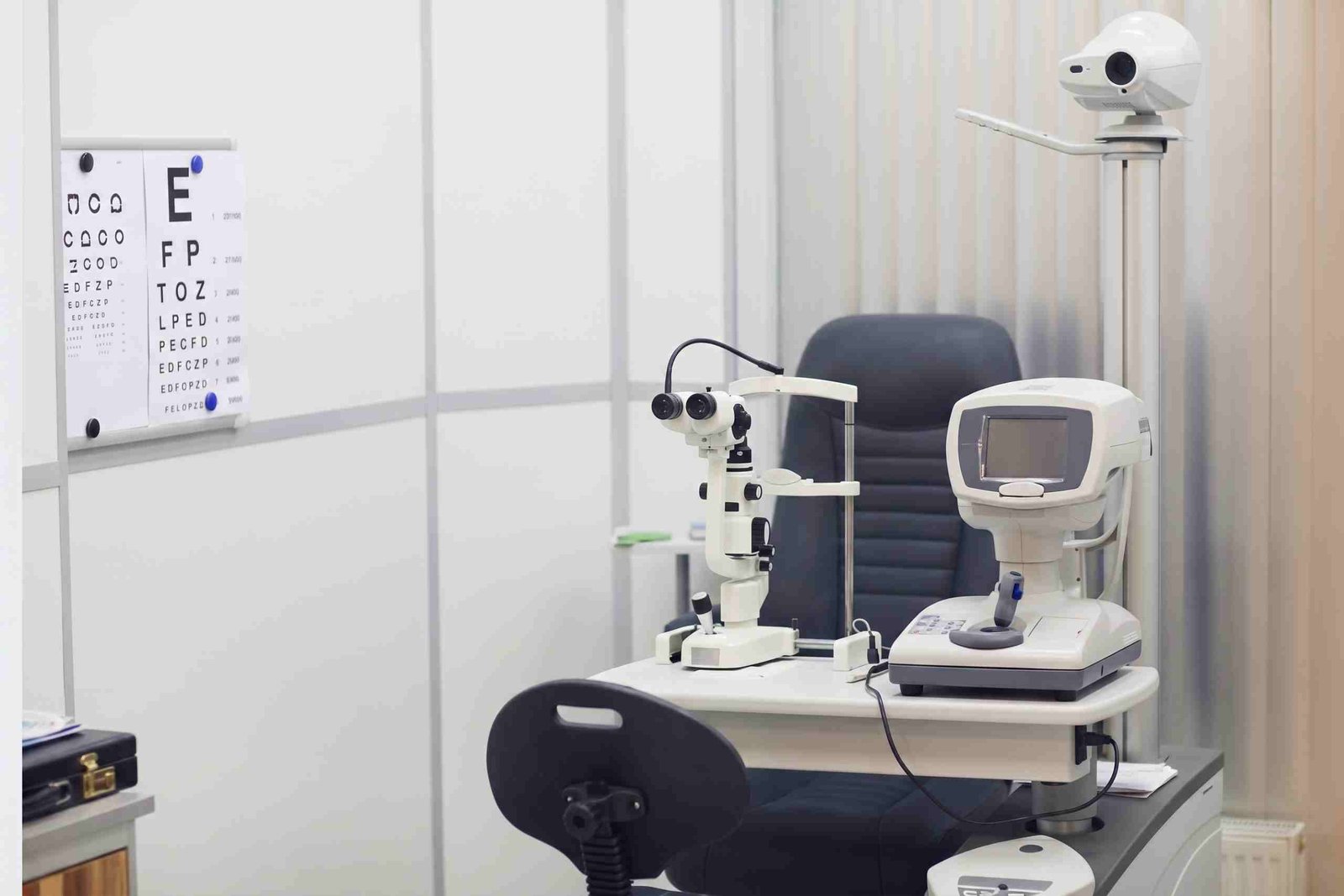
Facilities equipped with advanced diagnostic tools at a modern eye treatment center provide accurate testing and personalised care for patients with dry eye symptoms.
What the Results Mean
The results of the test help doctors evaluate tear production levels and identify potential problems. Low tear production may indicate dry eye disease, inflammation, or nerve-related disorders affecting the eye surface.
Research published in the National Eye Institute (NEI) highlights that early detection of tear deficiency significantly reduces the risk of complications such as corneal damage and chronic discomfort. Accurate diagnosis allows doctors to recommend suitable treatments based on individual needs.
Treatment Options After Diagnosis
Once the cause of dryness is identified, treatment focuses on restoring tear balance and protecting the eye surface. Treatment options vary depending on the severity of the condition.
Common treatment methods include:
- Lubricating eye drops or artificial tears
- Anti-inflammatory medications
- Lifestyle adjustments to reduce screen strain
- Specialised procedures to improve tear production
In more complex cases, advanced interventions such as precision eye surgery may be recommended to address structural or functional problems affecting tear stability. These procedures aim to improve comfort and maintain long-term eye health.
Healthcare providers emphasise that timely treatment and follow-up care help prevent complications and reduce the need for repeated procedures.
The Importance of Regular Eye Examinations
Routine eye examinations are essential for detecting tear-related problems before symptoms become severe. Regular check-ups allow doctors to monitor eye health and provide preventive care tailored to individual risk factors.
Access to advanced diagnostic services and treatment options, including precision eye surgery, ensures that patients receive comprehensive care for maintaining healthy vision.
Conclusion
The Schirmer test is an effective and reliable method for measuring tear production and diagnosing dry eye conditions. Early detection and appropriate treatment can significantly improve comfort and protect long-term vision. For individuals seeking accurate diagnosis and advanced eye care services, Desai Eye Institute remains committed to providing modern technology, specialised expertise, and compassionate treatment to support healthy and comfortable eyes.
Sources:
- American Academy of Ophthalmology: Dry Eye Diagnosis and Management
- National Eye Institute (NEI): Tear Production and Eye Health
- Tear Film and Ocular Surface Society (TFOS): Dry Eye Disease Research