

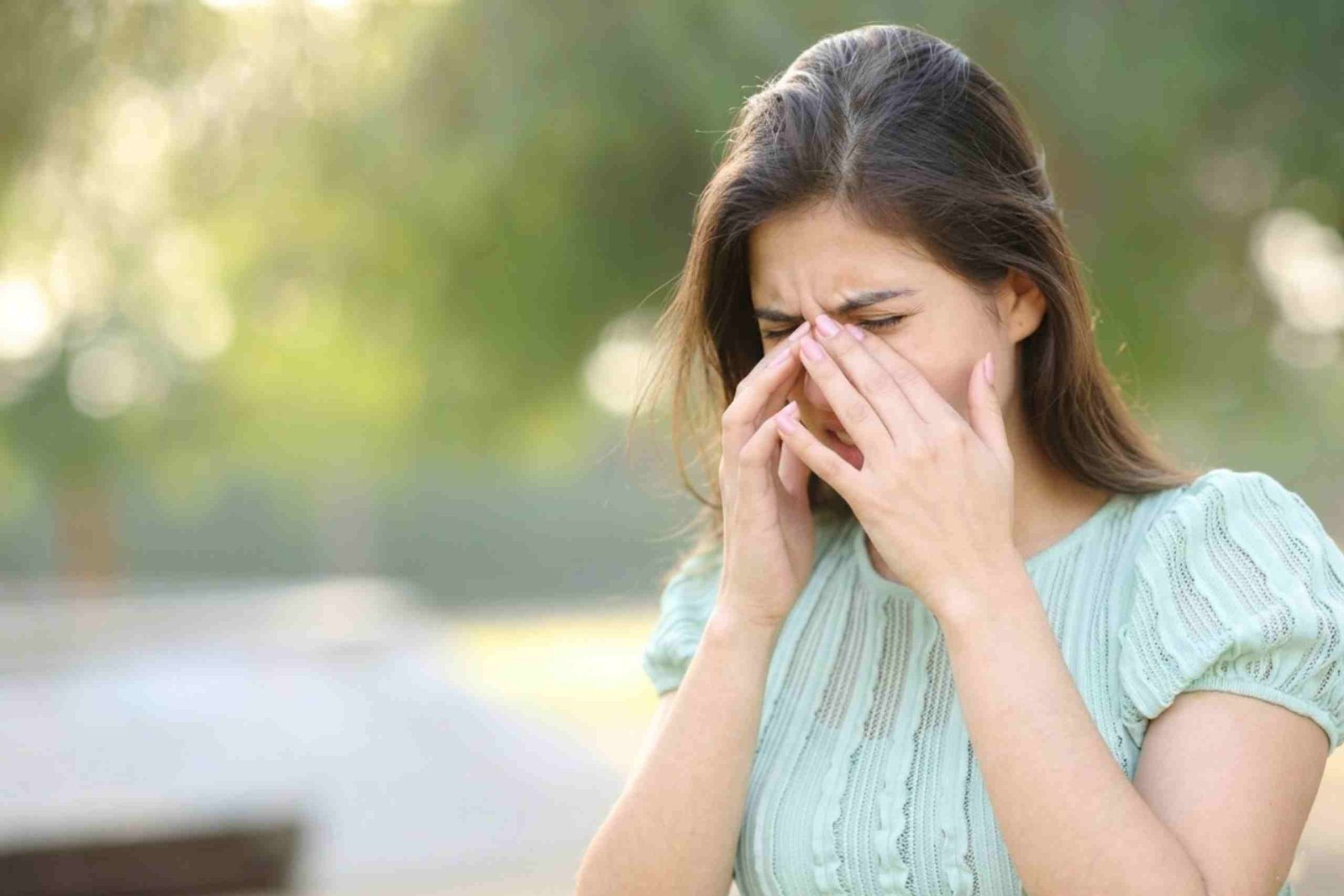
Seasonal eye allergies are a common problem during the summer months, especially when pollen levels, dust, and environmental pollutants increase. These allergens can irritate the eyes, causing itching, redness, and watery discharge that interfere with daily comfort and productivity. While seasonal allergies are usually mild, persistent symptoms may indicate underlying eye conditions that require professional attention.
According to the American College of Allergy, Asthma & Immunology, millions of people experience allergic eye reactions every year, particularly during warmer seasons when airborne allergens are more prevalent. Understanding the triggers and taking preventive steps can help individuals maintain clear and comfortable vision throughout the summer.
Common Causes of Seasonal Eye Allergies
Seasonal allergies occur when the immune system reacts to environmental substances such as pollen, mould spores, or dust. During summer, increased outdoor exposure and higher temperatures can worsen symptoms.
Some common triggers include:
- Pollen from trees, grass, and plants
- Dust and air pollution
- Swimming pool chemicals
- Prolonged exposure to sunlight and wind
Seeking care at a modern eye treatment center helps identify specific allergens and develop personalised management strategies that reduce irritation and prevent recurring symptoms.
Recognising Symptoms That Should Not Be Ignored
Seasonal eye allergies usually produce noticeable symptoms that may vary in intensity. Early recognition allows timely treatment and prevents complications.
Typical symptoms include:
- Persistent itching or burning sensation
- Redness and swelling of the eyes
- Watery discharge
- Sensitivity to light
- Blurred vision due to irritation
In rare cases, prolonged inflammation may increase eye pressure or worsen existing conditions. These changes can be among the signs to consult a glaucoma specialist, particularly if symptoms are accompanied by headaches or vision changes.
Practical Ways to Keep Your Eyes Itch-Free
Simple lifestyle adjustments can significantly reduce allergy-related discomfort. Preventive measures are especially important during peak allergy seasons.
Helpful strategies include:
- Wearing protective sunglasses outdoors
- Keeping windows closed during high pollen days
- Washing hands and face after outdoor activities
- Avoid rubbing the eyes
- Using prescribed eye drops when necessary
Regular check-ups at a modern eye treatment center ensure early detection of complications and guide effective preventive care.
Treatment Options for Severe or Persistent Symptoms
When seasonal allergies become severe or do not respond to basic remedies, medical treatment may be required. Eye specialists may recommend antihistamine eye drops, anti-inflammatory medications, or specialised therapies to control inflammation.
In certain cases, advanced procedures such as precision eye surgery may be considered if allergies contribute to long-term eye damage or complications affecting vision. Research published in the Journal of Ophthalmology shows that modern surgical techniques significantly improve outcomes for patients with chronic eye conditions.
Facilities equipped with advanced technology at a modern eye treatment center can provide comprehensive evaluation and treatment for persistent eye problems.
Preventing Long-Term Eye Complications
Managing seasonal allergies effectively helps protect long-term eye health. Individuals with recurring symptoms should maintain routine eye examinations and follow professional guidance to prevent complications.
Advanced medical techniques, including precision eye surgery, have improved treatment success rates for complex eye conditions. Early intervention remains the most effective way to safeguard vision and maintain overall eye health.
Healthcare providers emphasise that timely diagnosis and treatment at a qualified centre offering precision eye surgery can reduce the risk of permanent damage and improve recovery outcomes.
Conclusion
Seasonal eye allergies can cause significant discomfort, especially during the summer months, but proper preventive care and timely treatment can keep symptoms under control. Recognising triggers, following protective habits, and seeking professional care when necessary are essential for maintaining healthy vision. For individuals seeking reliable diagnosis and advanced eye care services, Desai Eye Institute remains committed to providing modern technology, expert guidance, and compassionate treatment to help patients stay comfortable and protect their eyesight.
Sources:
- American College of Allergy, Asthma & Immunology: Seasonal Eye Allergy Statistics
- Journal of Ophthalmology: Advances in Eye Allergy Treatment
- World Health Organisation (WHO): Environmental Factors and Eye Health