

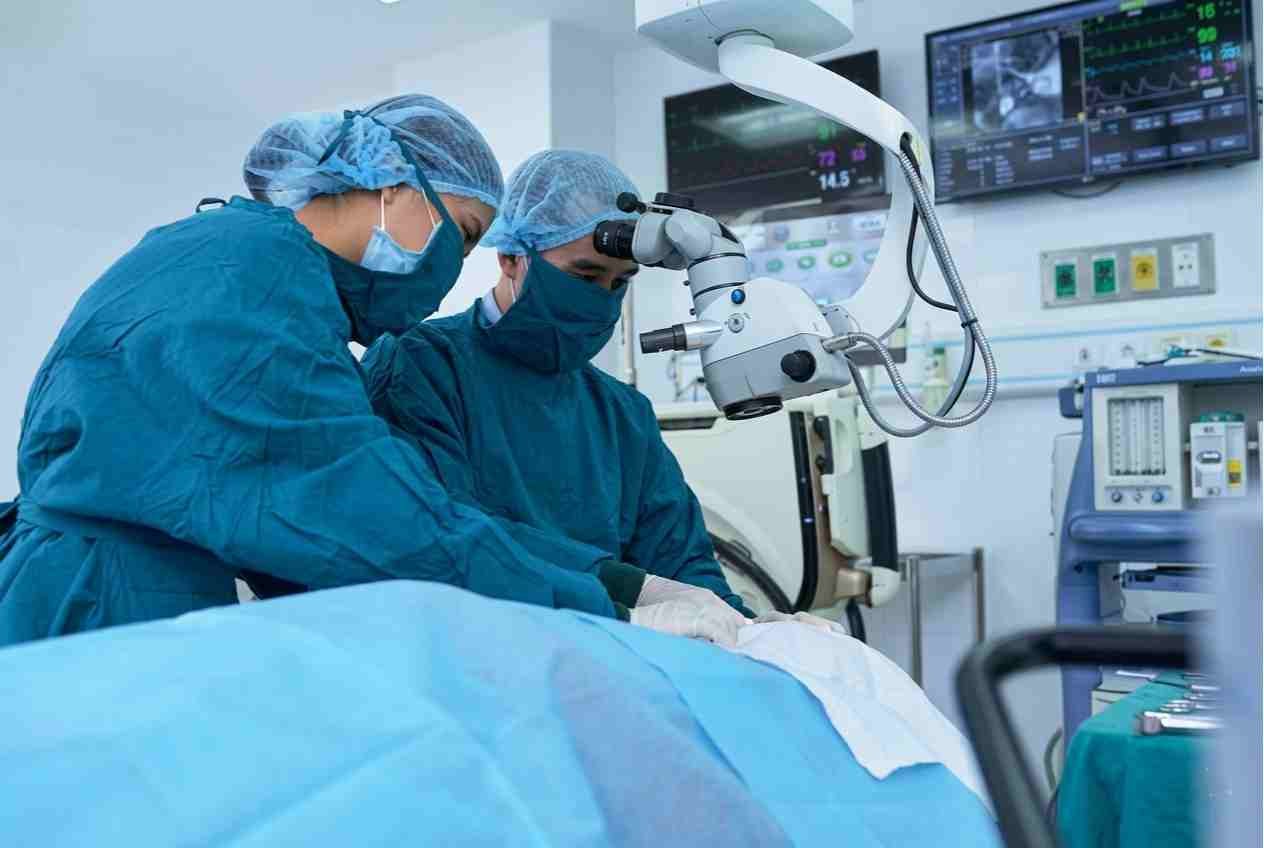
Cataract surgery is one of the most commonly performed and successful medical procedures worldwide. However, choosing the right surgeon is a critical decision that directly affects treatment outcomes and long-term vision quality. Asking the right questions before undergoing surgery can help patients feel confident, informed, and prepared.
According to the World Health Organization (WHO), cataracts remain the leading cause of blindness globally, particularly among older adults. Fortunately, modern surgical techniques have made treatment safer and more effective, with high success rates when performed by experienced professionals. Understanding what to ask before selecting the best cataract surgeon in Vadodara can help ensure safe and reliable care.
What Experience and Qualifications Does the Surgeon Have?
One of the first questions to ask is about the surgeon’s training, certifications, and experience in performing cataract procedures. Experience plays a major role in handling complex cases and ensuring smooth surgical outcomes.
Patients considering cataract surgery in Vadodara should ask how many procedures the surgeon performs each year and whether they specialise in advanced techniques such as phacoemulsification or laser-assisted surgery. Research from the American Academy of Ophthalmology shows that surgeons with higher surgical volumes generally achieve better outcomes and lower complication rates.
What Technology and Surgical Techniques Are Used?
Modern cataract surgery relies on advanced diagnostic tools and precision technology to deliver accurate results. Patients should ask whether the hospital uses updated equipment for eye measurements, lens selection, and surgical planning.
Facilities offering the best eye treatment in Vadodara often provide advanced technologies such as high-resolution imaging and minimally invasive surgical methods. These innovations improve accuracy, reduce recovery time, and enhance visual outcomes.
What Type of Intraocular Lens (IOL) Options Are Available?
Another important question involves the type of artificial lens used during surgery. Different IOL options are available, including monofocal, multifocal, and toric lenses, each designed to meet specific vision needs.
Individuals planning cataract surgery in Gujarat should discuss lifestyle requirements, such as reading, driving, or using digital devices, to determine the most suitable lens option. The National Eye Institute (NEI) emphasises that personalised lens selection significantly improves patient satisfaction after surgery.
What Are the Risks, Recovery Time, and Success Rates?
Every surgical procedure carries some level of risk, even though cataract surgery is considered very safe. Patients should ask about potential complications, expected recovery time, and the success rate of the procedure.
Experienced specialists performing cataract surgery in Vadodara can provide clear guidance on post-operative care and expected outcomes. Understanding these details helps patients set realistic expectations and follow proper recovery instructions.
Is Comprehensive Pre- and Post-Surgery Care Provided?
Pre-surgery evaluation and post-operative monitoring are essential components of successful treatment. Patients should ask whether the hospital offers comprehensive eye examinations, follow-up visits, and emergency support if needed.
Choosing a facility known for the best eye treatment in Vadodara ensures access to continuous care throughout the treatment journey. Regular follow-up appointments help detect complications early and support faster recovery.
How Accessible and Experienced Is the Surgical Team?
The overall experience of the medical team and support staff also influences patient comfort and safety. Clear communication, patient education, and professional guidance contribute to a positive treatment experience.
When planning cataract surgery in Gujarat, patients should consider factors such as hospital reputation, patient reviews, and the availability of specialised services. Consulting with the best cataract surgeon in Vadodara ensures that patients receive expert advice and personalised treatment plans tailored to their needs.
Conclusion
Selecting the right surgeon is one of the most important steps in achieving successful cataract treatment. Asking informed questions about experience, technology, safety, and follow-up care helps patients make confident decisions about their eye health. For individuals seeking trusted expertise and advanced surgical care, Desai Eye Institute remains dedicated to delivering high-quality treatment, modern technology, and compassionate support to help patients restore clear vision and maintain long-term eye health.
Sources:
- World Health Organization (WHO): Global Cataract and Vision Impairment Reports
- American Academy of Ophthalmology: Cataract Surgery Safety and Outcomes
- National Eye Institute (NEI): Cataract Surgery and Intraocular Lens Guidance