

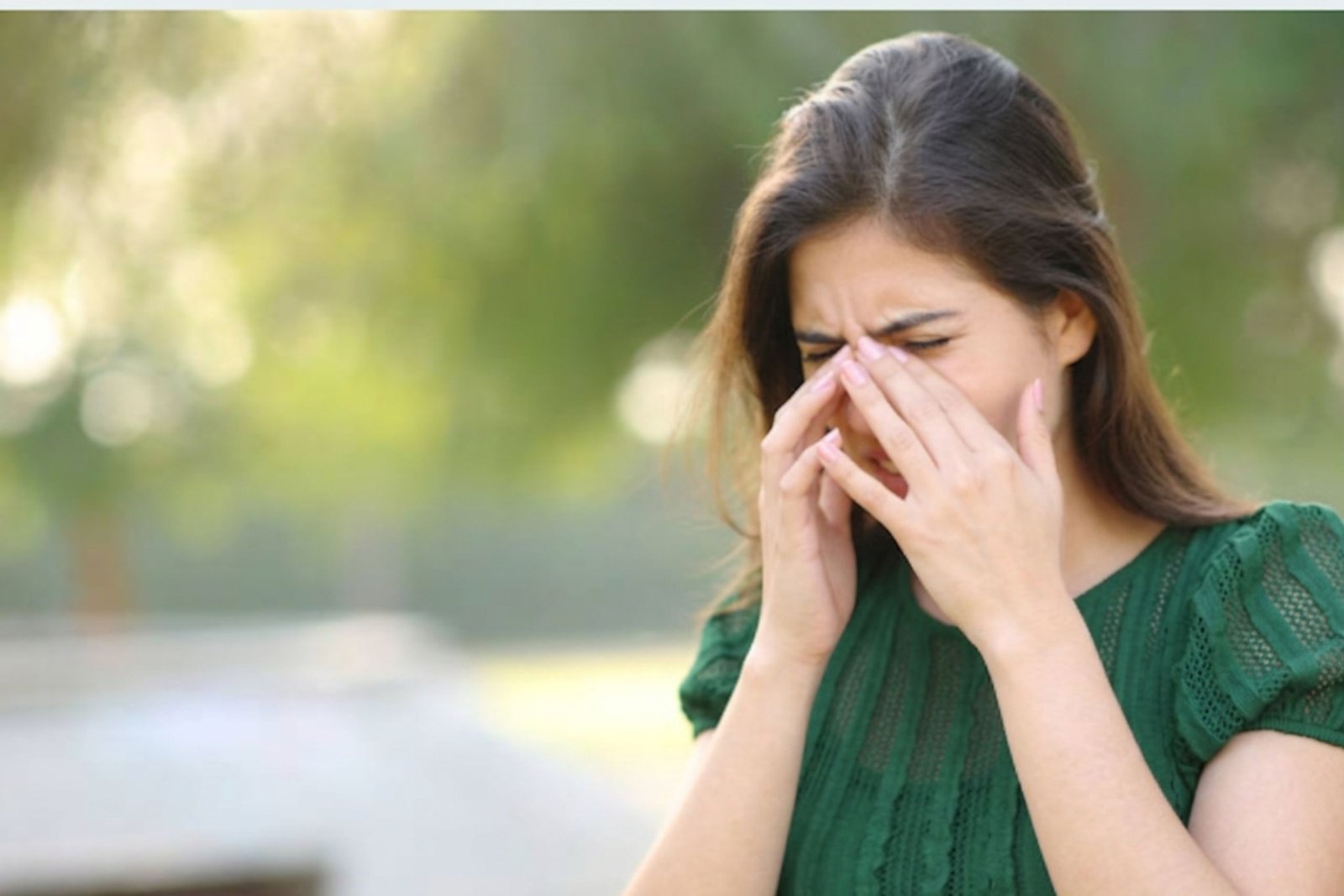
Summer brings longer days and higher temperatures, but it also introduces challenges for eye health. Many people experience dryness, irritation, and discomfort during hot weather due to increased tear evaporation and environmental exposure. Prolonged time outdoors, combined with dehydration and heat, can disrupt the natural balance of the eyes. Individuals facing persistent symptoms may benefit from professional evaluation through precision eye services in Vadodara to identify early signs of dryness and protect long-term eye health.
How Summer Heat Affects Eye Hydration
The surface of the eye is protected by a thin tear film that keeps it moist and clear. This tear film consists of three layers and plays a crucial role in maintaining visual comfort.
During summer, high temperatures and dry winds can accelerate tear evaporation. Research shows that when environmental temperatures rise and humidity levels drop, the tear film becomes unstable more quickly. Studies indicate that tear evaporation rates can increase significantly in hot and dry conditions, leading to symptoms of dry eye.
These conditions can also contribute to tired eyes after work, especially for individuals who spend long hours outdoors or in air-conditioned environments. The combination of heat exposure and reduced moisture can increase eye fatigue and discomfort by the end of the day.
In addition, exposure to sunlight and ultraviolet radiation can contribute to ocular surface stress. The National Eye Institute notes that prolonged UV exposure can damage eye tissues and increase the risk of irritation and long-term damage without proper protection.
Common Symptoms During Hot Weather
Eye discomfort caused by summer heat often develops gradually, especially for individuals who spend long hours outdoors or in air-conditioned environments.
Common symptoms include:
- Dry or gritty sensation in the eyes
- Burning or irritation
- Redness and sensitivity to light
- Blurred or fluctuating vision
- Increased eye fatigue
Research suggests that dry eye symptoms affect nearly 30 percent of adults, and environmental factors such as heat and wind can significantly worsen them.
If these symptoms persist, consulting specialists offering Dry Eye treatment in Vadodara can help manage tear imbalance and improve eye comfort.
The Role of Dehydration
Hydration plays a key role in maintaining healthy tear production. During summer, the body loses more fluids through sweating, which can reduce overall hydration levels.
Studies indicate that even mild dehydration can affect tear production, leading to dryness and discomfort in the eyes. When the body lacks sufficient water, tear secretion may decrease, further contributing to irritation and blurred vision.
Protecting Your Eyes During Summer
Taking preventive steps can help maintain eye hydration and comfort during hot weather conditions.
- Stay Hydrated
Drinking adequate water supports tear production and overall eye health. - Wear Protective Eyewear
Sunglasses with UV protection can reduce exposure to harmful sunlight and prevent irritation. - Limit Direct Exposure to Heat and Wind
Avoid prolonged exposure to hot, dry environments whenever possible. - Use Lubricating Eye Drops
Artificial tears can help maintain moisture on the eye surface.
If symptoms continue despite these measures, professional evaluation is essential. Specialists providing personalized vision care can assess individual eye conditions and recommend tailored treatment options to restore comfort and prevent complications.
Conclusion
Intense summer heat can significantly impact eye hydration by increasing tear evaporation, reducing moisture, and exposing the eyes to environmental stressors. Symptoms such as dryness, irritation, and blurred vision should not be ignored, especially when they persist over time. Early intervention and proper care can help maintain eye comfort and prevent long-term issues. At Desai Eye Institute, patients receive advanced diagnostic evaluations and customized treatment plans designed to address seasonal eye concerns and support healthy vision throughout the year.
Sources
- National Eye Institute – Dry Eye and Environmental Factors
- American Academy of Ophthalmology – Dry Eye and Tear Film Function
- Harvard Health Publishing – Dry Eye Causes and Prevention
- Cleveland Clinic – Dry Eye Syndrome and Environmental Impact